Rituals #
Today I want to talk about rituals. Might sound weird in a technical blog, but bear with me. The definition found in the Merriam-Webster dictionary wasn’t very helpful, but this is what Wikipedia says:
A ritual is a repeated, structured sequence of actions or behaviors that alters the internal or external state of an individual, group, or environment, regardless of conscious understanding, emotional context, or symbolic meaning.
Rituals are common in sports and for artists alike. Take Michael Jordan, for instance: early in his career, Jordan wore slightly longer shorts than other players to make room for his lucky North Carolina shorts, which he wore under his uniform throughout his career. Or Serena Williams that stated in 2012 that “I have to use the same sandals, I have to travel with the same bags.”
Chris Martin of Coldplay brushes his teeth before going on stage. The Foo Fighters listen to Michael Jackson and drink Jägermeister. The list goes on and on - there is definitely something here.
Science to the Rescue (?) #
In 2010, Dana R. Carney, Amy Cuddy, and Andy Yap published a paper in the journal Psychological Science that outlined a theory called “power posing”. The idea was that “people can foster positive life changes simply by assuming a “powerful” or “expansive” posture for a few minutes before an interaction in which confidence is needed.” This came to be the one of the most cited papers in the world, and a TED Talk by Amy Cuddy in 2012 had been viewed over 70 million times in 2023. It’s an alluring idea that a few short minutes can alter the amount of cortisol and testosterone in the body, making you not only feel more powerful, also be more powerful.
Unfortunately, the science doesn’t hold up. Replicating the study has consistently failed, one of the authors issued a statement abandoning it, and focus has shifted to the issues with replicating studies than the study result itself.
I’m a huge fan of the science of presentation skills, and as you’ve seen in other posts on this blog, I take research seriously. While the claims of “lasting hormonal changes, which can lead to better outcomes in work-related situations, such as job interviews and wage negotiations” turned out to be incorrect, I think there is something to be said about mechanisms of getting in “the zone”.
So if power posing doesn’t work, why am I talking about rituals? Because while the specific hormonal claims failed, the broader principle holds: consistent pre-performance routines genuinely help us access our best state. The mechanism isn’t magical chemistry: it’s psychology and habit. Rituals work by creating mental anchors, reducing decision fatigue, and signaling to our brains that it’s time to perform. They establish boundaries between our everyday mindset and our performance mindset.
I’ve delivered hundreds of sessions and trainings over the years, and even if I know from experience that I can step straight on stage and perform reasonably well, I also know that if I take the time to mentally prepare and put myself in “the zone”, I am more likely to be more engaging, remember more details of my performance, and generally perform better.
My Rituals #
There are many ways to put yourself in “the zone”. You have to find what works best for you, but I can tell you what I do - and if you’ve ever seen me speak, you’re going to recognize some of them!
Clothing. I always wear the same thing - dress trousers, a dress shirt (most often with sleeves rolled up) and a waistcoat. Some probably find me ridiculous; I do stand out at technical events where the uniform of the day is likely to be hoodies and jeans. But here is the thing: I don’t do it to fit in. I don’t do it to stand out, either. It is not my intention to seem better than everyone else by wearing fancy clothes. I do it because putting on these clothes is a ritual that helps me step into “the zone”. The moment I button that waistcoat, my brain knows: it’s showtime.
Music. Given the chance, I will absolutely play music. Either it’s a rock playlist, or it is a playlist with music from a French band called “Caravan Palace”. The latter is rather … unique, and it never fails to get people’s attention. But that’s not the point. The music isn’t for the audience, it’s for me. It’s a ritual that helps me relax, focus, and prepare. Those familiar melodies quiet the noise in my head and let me center myself before stepping on stage.
Opening. I will always open the session the same way. I welcome people to the session, and thank them for choosing my session over any of the other phenomenal sessions in the same slot. While this is partly going to make them feel appreciated for choosing to come to this session, it is again not the real point. The ritual of starting the same way every time gives me a solid foundation. It’s a familiar launch pad that lets muscle memory take over so I can focus on connecting with the audience.
There are more, somewhat subtle rituals, that I prefer to keep to myself. That is itself part of the rituals, the fact that nobody knows I have or perform them. Weird? Sure. Dumb? Most likely. Does it matter? Not in the slightest.
These rituals aren’t superstitions - they’re anchors. They signal to my brain: “This is performance time.” They quiet the noise, sharpen my focus, and let muscle memory take over. They help me transform from someone who can perform reasonably well into someone who consistently delivers their best.
The Power of Personal Rituals #
Looking back at that Wikipedia definition, I understand exactly how my rituals alter my internal state. They don’t need to make sense to anyone else. They don’t need scientific validation of hormonal changes. They just need to work.
And for me, they do.
The beautiful thing about rituals is that you don’t need to fully understand why they work to benefit from them. Whether it’s Michael Jordan’s lucky shorts or your own pre-performance routine, what matters is the consistency and the mental shift they create. The science may not be settled on the mechanisms, but the results speak for themselves.
So I encourage you to think about your own rituals. What are the repeated behaviors that help you access your best self? What anchors have you created, perhaps without even realizing it? You don’t need fancy clothes or unusual music. You just need to find what works for you and commit to it.
Join the Conversation #
What rituals do you have? I’d love to hear what examples of rituals that matter to you. Please reach out to me or comment on LinkedIn or BlueSky!
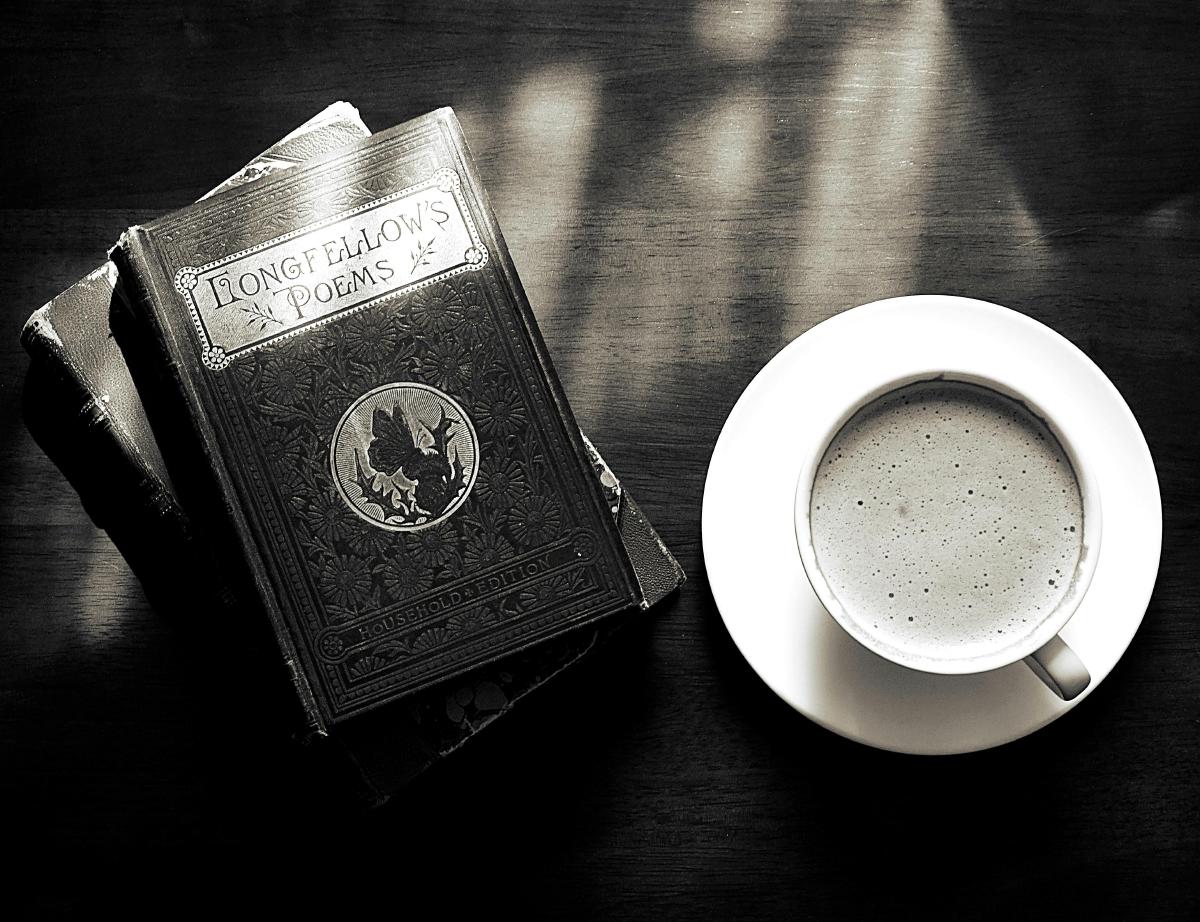
Photo by Suzy Hazelwood: https://www.pexels.com/photo/white-cup-on-saucer-2662180/