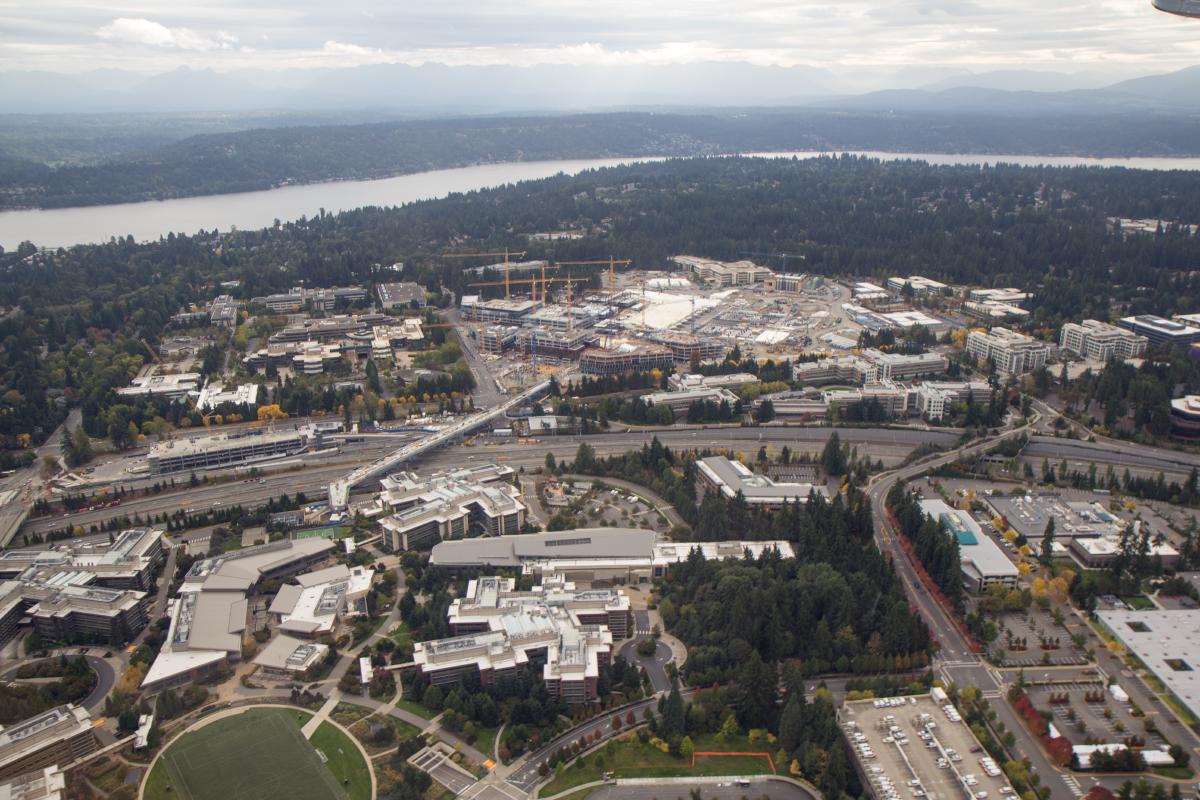
I’m writing this from Redmond, Washington, which means I’ve crossed eight time zones and landed somewhere that makes Stockholm (let alone Linköping!) feel quaint. The Microsoft campus covers 500 acres and according to Wikipedia contains 83 buildings. To put that in perspective: the campus has its own internal shuttle system, because walking between meetings isn’t really a viable option. What’s even more fun is that it started life as a chicken farm in the 1920s. I find this enormously satisfying.
This is the Microsoft MVP Summit - an annual gathering where roughly four thousand Most Valuable Professionals descend on this particular patch of former farmland to meet each other, argue constructively (for the most part) about product decisions, and drink coffee at a pace that would concern most physicians. Of those four thousand, about 360 are in the Data Platform category, which means there are apparently a lot of people in the world who find data and data management deeply compelling. I find this oddly comforting - my kind of crazy.
The summit is covered by NDAs, which means I can’t tell you what was discussed, what was shown, or what’s coming. If you’re reading this hoping for roadmap leaks, I’m sorry to disappoint you.
But here’s the thing: the secret knowledge was never the point.
The Real Access #
There’s an assumption baked into the MVP summit mystique - that the real value is the insider access. The previews. The early looks at features that will ship in six months. And yes, that exists, and yes, it’s genuinely useful. But after doing this for a while, I’ve come to believe it’s also the least interesting thing on offer. A roadmap slide tells you what is being built. It tells you almost nothing about why, or about what tradeoffs got made, or about which constraints shaped the decision in ways that will matter to your clients eighteen months from now.
The conversation that changes how you think doesn’t come from a slide deck.
It comes from finding the engineer who built the feature you’ve been quietly wrestling with, sitting down with them over terrible American coffee - and I say terrible with affection, because at least it’s abundant - and asking the question that doesn’t fit in a support ticket. Yesterday, I had exactly that conversation. I won’t tell you the specifics, but I will tell you that the person I spoke to had a name I’d seen on documentation for years. I’d formed a complete mental model of who they were based on their writing style and their GitHub comments. The model was wrong in almost every interesting way. The actual person was funnier, more uncertain, and far more candid about the limits of the decisions they’d made. I walked out understanding a design choice I’d been misreading for years. No preview session was going to give me that.
Always About People #
That’s the thing about putting faces to names. It doesn’t just make the community feel real - it makes the products feel real. The constraints make sense. The odd decisions start to have logic behind them.
I’ll be back next week. Normal service resumes shortly.